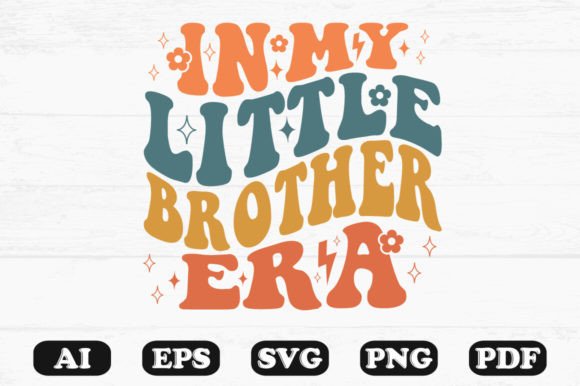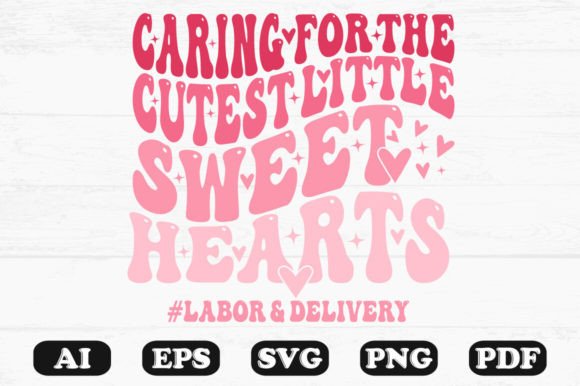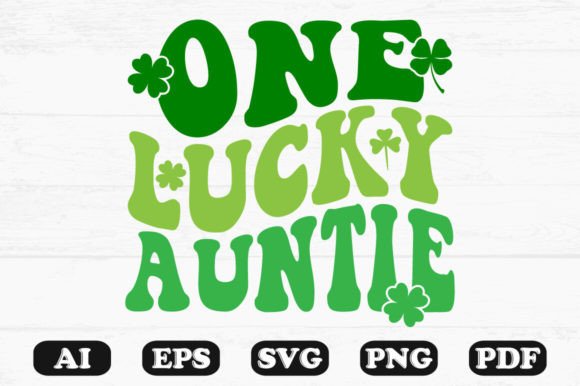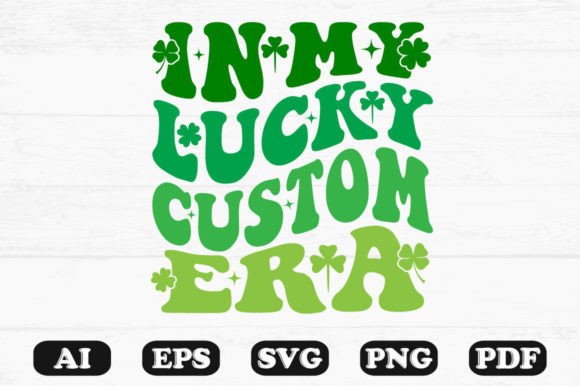
Lucky to Deliver the Cutest Little Clove
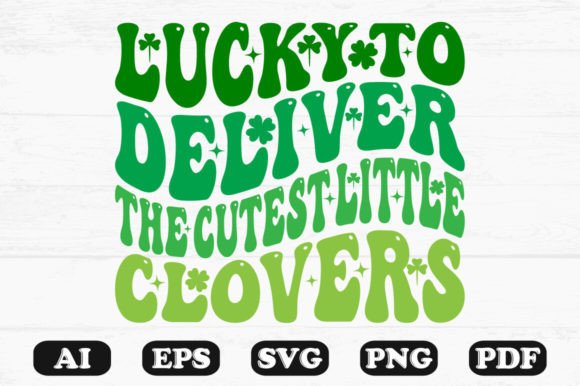
As a designer who’s stitched over 300 custom embroidery projects—from boutique baby onesies to Etsy best-selling tote bags—I opened Lucky to Deliver the Cutest Little Clove expecting charm. What I found was something more useful: a quietly confident retro-wavy design that lands just right between nostalgic and fresh.
I tested it first on a medium-weight organic cotton tote for a local florist’s spring launch—think linen-textured fabric, natural dye background, and a need for warmth without fuss. The wavy baseline and soft clover motif held up beautifully at 3.2 inches wide, with enough breathing room between letters and leaves to avoid thread crowding. It didn’t scream “vintage”—it whispered it, with gentle curves and balanced negative space that read clearly even from six feet away.
Where This Design Feels Like Home
Lucky to Deliver the Cutest Little Clove isn’t built for high-drama placements. It shines in thoughtful, human-scale applications:
- A small embroidered patch sewn onto a denim jacket cuff or baby blanket corner
- Center-chest placement on a relaxed-fit sweatshirt for a mom-and-me matching set
- Side-panel embroidery on a canvas apron for a handmade kitchen brand
- Subtle top-stitching along the hem of a tea towel or pillow cover
- Personalized nursery decor—think framed hoop art or a crib bumper accent
It’s especially strong for small business owners who sell cohesive collections. Because the wavy rhythm and clover motif suggest continuity—not repetition—it pairs well with other botanical or retro-themed designs in your digital embroidery file library. As a craft business owner, you’ll appreciate how easily it layers into a printable mockup series or fits into an Etsy listing bundle labeled “Vintage Spring Graphics.”
What Happens When You Stitch It for Real
On textured fabrics like terry cloth or slubbed linen, the design’s moderate stitch density kept outlines crisp without sinking into the pile. I used a light cutaway stabilizer and standard 40-weight polyester thread—no bobbin tension drama, no skipped stitches across the wave’s gentle arc.
For baby embroidery? Yes—but with caveats. The clover’s rounded shapes and open letter spacing make it safer than tightly kerned script fonts, but I’d still avoid placing it directly on a onesie’s neckline seam or near elastic hems where stretching could distort the wave. On pre-washed cotton interlock, it held its shape after three gentle machine washes.
For caps and curved surfaces? Proceed carefully. The wavy baseline doesn’t adapt well to severe curvature without digitizing adjustments—so if you’re planning cap embroidery, treat this as a starting point for redigitizing, not a plug-and-play file. Same goes for stretchy performance knits: test on scrap first, and consider adding a lightweight tear-away underlay to prevent puckering.
Where Caution Is Built In
This isn’t a “set it and forget it” machine embroidery design. Its personality lives in subtlety—and subtlety demands attention:
- Small hoop sizes: At under 3.5 inches wide, it fits most 4x4 hoops—but check the exact dimensions before loading. Tight corners on the clover’s leaves can snag if hooping is off-center.
- Dark fabric: The design relies on shape and flow more than heavy contrast. On charcoal or navy, use bright white or pale mint thread—not beige—to preserve legibility.
- Thin or sheer fabric: Skip lightweight rayon or voile unless you add a backing layer. Fill areas (like clover centers) can show through.
- Dense stitch zones: The clover’s inner loops are filled with smooth satin stitch—not dense fill. That’s good for breathability, but don’t assume it’ll cover thick seams or uneven seams without testing.
How It Shapes Perception—Before and After Stitching
Customers don’t buy embroidery files—they buy the feeling of what those files become. Lucky to Deliver the Cutest Little Clove reads as intentional, not algorithmic. That matters when you’re pricing a handmade product at $48 instead of $28. It tells buyers: *This wasn’t slapped on. It was chosen.*
I’ve watched shoppers pause longer over apparel featuring this kind of restrained retro styling—especially women aged 28–45 shopping for meaningful, non-trend-driven pieces. It supports brand consistency for small shop owners building a quiet, nature-adjacent aesthetic. And because it avoids cliché (no glitter, no exaggerated gradients), it stays gift-ready year-round—equally at home on a Mother’s Day tea towel or a baby shower onesie.
Practical Designer Notes You’ll Actually Use
Before stitching your first client piece or uploading to your Etsy shop:
- Test on scrap fabric that matches your final project’s weight and texture—especially if using textured, dark, or stretchy materials.
- Check thread color contrast in natural light *and* artificial light. Some pastels disappear on cream backgrounds.
- Review stitch density visually—not just in software. Look for tight clusters where leaves meet stems.
- Confirm hoop size compatibility. If you work mostly with 5x7 hoops, verify whether the design scales cleanly beyond its native size.
- Inspect small details: the tip of each clover leaf, the curve termination on the “L” and “C.” These define clarity.
- Run black-and-white mockups. Does the wave still read as movement? Does the clover hold shape without color cues?
- Use proper stabilizer for your fabric type—light cutaway for stable cottons, tear-away for stable knits, fusible for lightweight linens.
- Verify licensing terms. Since this is listed as a Graphics product in the Crafts category, confirm whether commercial embroidery rights are included before selling finished embroidered items.
Bottom line? Lucky to Deliver the Cutest Little Clove earns its place not because it’s flashy, but because it’s dependable—thoughtful in construction, generous in spacing, and quietly joyful in spirit. It won’t dominate a collection, but it will anchor it. And for crafters building real businesses, that kind of reliability is rare—and worth stitching twice.